
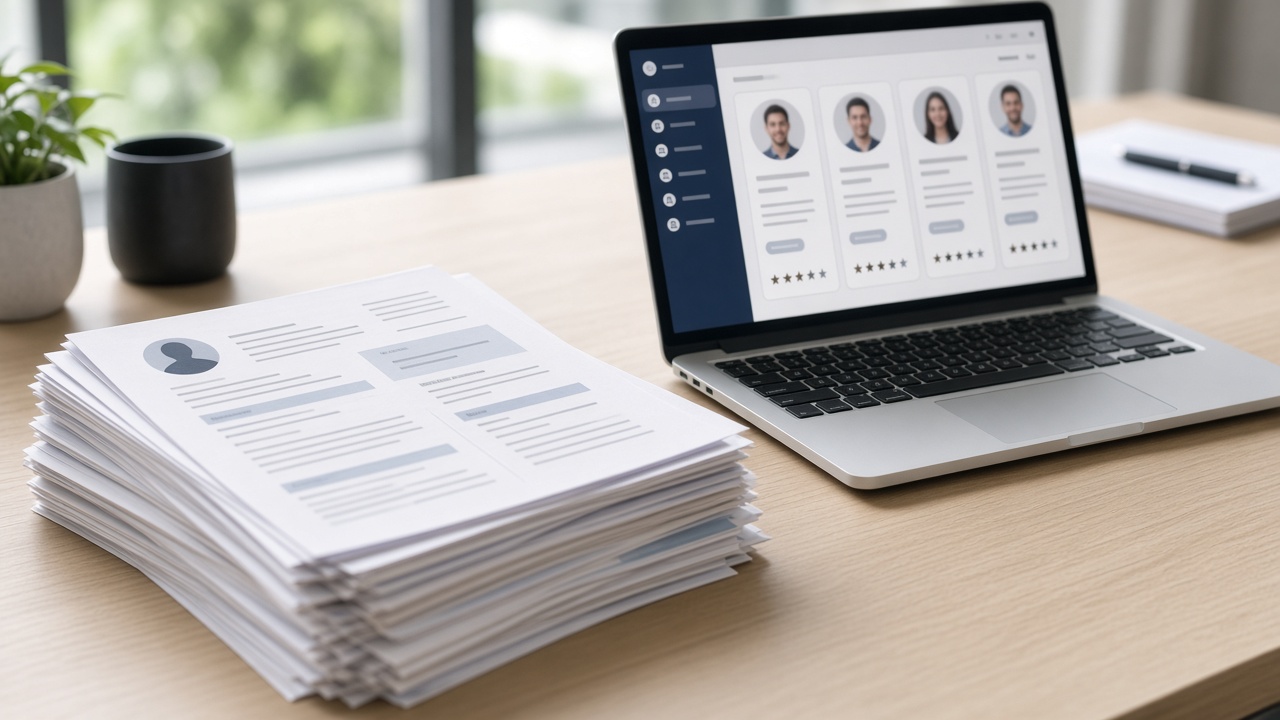
A shortlist of five people who have shipped the stack beats a hundred who have not.
Enterprise programmes fail quietly when hiring becomes a numbers game. Oracle, SAP, retail POS, and cloud security roles need people who have already lived through an implementation cycle—not candidates who can only recite module names from a training course. When the critical path is staffed with unfamiliarity, dates slip in small increments until the programme is late by a season and nobody can point to a single dramatic failure.
Volume still has a place. Junior pipelines, graduate cohorts, and broad outreach make sense when the role can absorb learning time. For critical path work, domain fluency is the filter that keeps delivery dates honest. EKAA screens for that cycle first: evidence of cutovers survived, integrations owned, incidents handled, and teams left able to run without the contractor in the room.
What a domain screen actually checks
A useful screen is not a keyword match. It asks what broke, who owned the decision, and how the person worked with functional leads when the plan met reality. We listen for specificity: environments, release patterns, stakeholder tension, and the habits that prevented the same failure twice. Vague success stories are a signal. Precise recovery stories are a better one.
The interview then tests judgement under incomplete information. How did they handle a bad cutover? What did they refuse to ship? How did they document so the next person was not starting from zero? Those answers predict early performance better than certificate lists.
Why shortlists protect programmes
Large CV piles create the illusion of choice while consuming the calendar of the people already carrying delivery. Hiring managers spend weeks sorting noise. Meanwhile the programme burns contingency. A tight shortlist—five people who can do the job—compresses decision time and raises the quality of every conversation that follows.
The shortlist was small, and every person could do the job.
That outcome is designed. It comes from clarifying the business result before writing the job description, agreeing what “good” looks like in the first ninety days, and refusing to advance candidates who cannot show cycle experience when the role demands it.
Where EKAA fits
Our Human Resources and Information Technology practices work as one conversation for these roles. Search, interview design, and onboarding are built around the same outcome: a hire who is useful quickly, with a plan for the first ninety days that functional and technical leads can recognise. Across Dubai, Abu Dhabi, Sharjah, and India delivery centres, the method stays the same even when visas and logistics differ.
If you are hiring for enterprise systems and the inbox is already unmanageable, change the filter before you add more volume. Define the cycle experience you need, screen for it ruthlessly, and interview for judgement. The calendar you save is programme contingency you will need later.